


Now Accepting Applications For 2026-2027 School Year
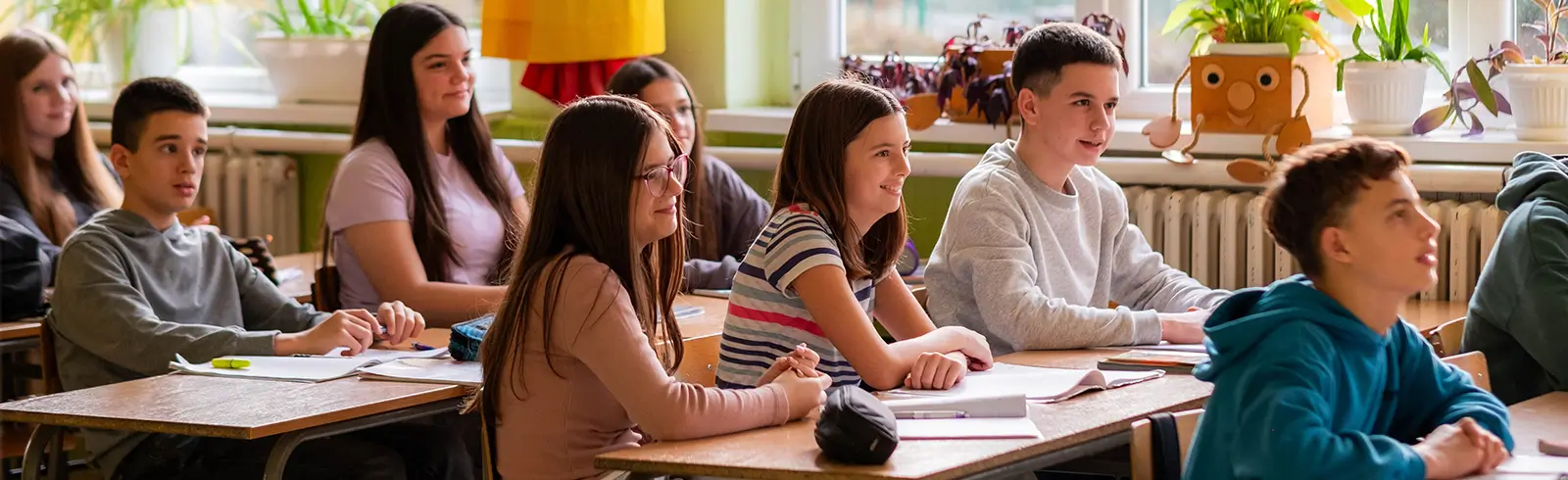
students in a class room

ADHD & Neurodivergent Learning

Children Develop Along Shared Pathways with Meaningful Variation

Children develop along shared neurodevelopmental pathways, but not at the same pace or with the same regulatory demands. For some children, differences in attention, impulse control, emotional regulation, or sensory processing shape how they experience learning and daily life.

These differences are often described as neurodivergent profiles, including ADHD. They do not reflect a lack of intelligence or potential. Rather, they reflect variation in how executive function skills are developing and expressed.

At Laniakea Montessori School, neurodivergent learning is understood as variation within development. Our role is to notice these differences early and respond with intention.

students learning

What ADHD and Neurodivergent Learning Needs Can Look Like

ADHD and other neurodivergent profiles often appear through everyday experiences rather than academic failure. These differences are frequently misunderstood as behavioral or motivational concerns.

Families may notice:

  • Difficulty initiating tasks or following multi-step directions
  • Inconsistent attention that varies by environment or interest
  • Challenges with working memory, organization, or time awareness
  • Strong emotional responses or difficulty recovering from frustration
  • A need for movement, novelty, or hands-on engagement

These experiences reflect developing executive function skills, not effort or character. When they are misunderstood, children may internalize frustration or self-doubt. When they are understood early, support can be responsive and preventative.

students learning

How Laniakea Responds

Our approach begins with careful observation over time, intervention recommendations, and collaborative-based treatment plans.

Educators and leadership attend to patterns such as:

This information guides thoughtful adjustments to the environment, expectations, and support structures. Responses are designed to be embedded naturally into daily classroom life, preserving independence, dignity, and a sense of belonging.

How the Montessori Environment Supports Neurodivergent Learners

Montessori environments offer strong foundations for neurodivergent learners by supporting executive function development through daily experience.

For some learners, these foundations are intentionally scaffolded through flexible pacing, visual supports, or adult guidance to align with developmental needs.

Key elements include:

Choice Within Clear And Predictable Structure

Hands-On Materials That Reduce Cognitive Load

Movement Integrated Into Learning

Consistent Routines That Support Regulation

Opportunities For Sustained Engagement And Reflection

Student Inclusion With Learning Action Plans And Accountability

What This Looks Like for Your Child

These supports are respectful and designed to strengthen skills over time while maintaining independence and dignity.

Support for ADHD and neurodivergent learners may include:

Scaffolded Approaches To Uninterrupted Work Cycles

students

Structured Support With Task Initiation And Follow-Through

students

Visual or Environmental Supports To Reduce Working Memory Demands

students

Repetition For All Learning Tasks

students

Intentional Movement And Sensory Regulation

students

Clear Routines And Expectations Paired With Relational Guidance

students

Logical and Natural Consequences That Support Reflection And Problem-Solving

Call