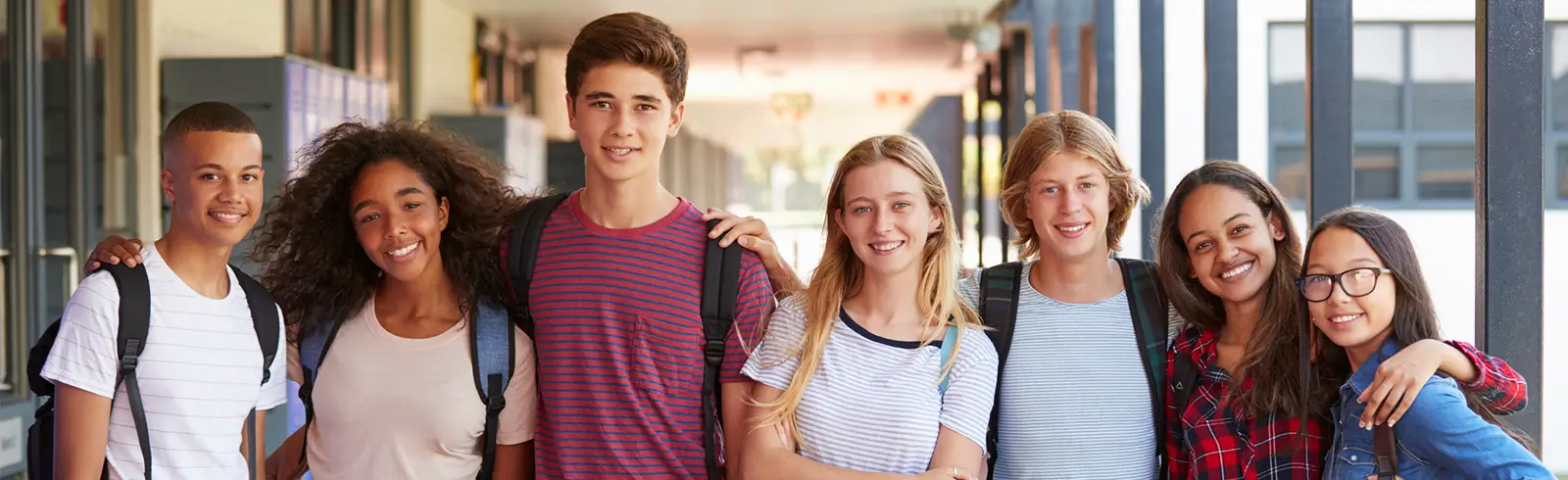
A Montessori Environment for the Older Adolescent
Upper Secondary represents an important developmental stage as adolescents move toward greater independence and responsibility. During this period, young people begin to think more seriously about their role in society, their future contributions, and their relationship to the economic world.
At Laniakea Montessori School, the Upper Secondary program continues to integrate rigorous academic study with meaningful real-world experiences. Students engage in advanced coursework while participating in community work that supports leadership, collaboration, and economic understanding.
This approach reflects Dr. Montessori’s vision that adolescents learn best when intellectual work connects to purposeful activity, social responsibility, and practical engagement with the world.
Economic Life and Community Responsibility
A defining feature of the Upper Secondary program is the opportunity for students to participate directly in the management of their community. Each year, the adolescent community begins with a $1,000 operating budget, which students collectively manage and allocate.
Through discussion, planning, and collaboration, students determine how these funds will meet community needs, support projects, and fund materials that allow the program to grow.
This experience provides adolescents with meaningful opportunities to develop financial literacy, decision-making skills, and a deeper understanding of how economic systems function within a community.
Student Committees
Upper Secondary students participate in one of five community committees, each responsible for an important aspect of the functioning of the adolescent environment. These committees allow students to practice leadership, communication, and responsibility while contributing to the life of the community.
Economics Committee
Students on the Economics Committee oversee the community’s operating budget. Each week they review expenses, track profits, and communicate financial updates to the broader adolescent community. Their work helps guide thoughtful decision-making about how resources are used.
Production and Exchange
The Production and Exchange Committee focuses on creative work and entrepreneurship. Students design and produce items such as jewelry, candles, and sewn goods. They also contribute to campus beautification projects and other initiatives that allow them to generate income through meaningful work. Through this process, students learn how creativity, effort, and collaboration contribute to economic exchange.
Housekeeping
The Housekeeping Committee manages the day-to-day needs of the school environment. Students monitor supplies, identify campus areas needing attention, and create organized systems for maintaining shared community spaces. This work encourages responsibility, organization, and respect for the prepared environment.
Gardening and Animal Care
Students participating in Gardening and Animal Care maintain the school’s garden beds and support the health of the surrounding natural environment. They also help care for the wildlife habitats on campus, including the backyard bird populations that are part of the school’s outdoor ecosystem. Through this work, adolescents develop a deeper relationship with the natural world and an understanding of ecological stewardship.
Marketing and Communication
The Marketing Committee is responsible for sharing information within the community and beyond. Students create announcements, communicate requests, and contribute to the development of the school’s monthly newsletter. This work allows students to practice communication, design, and organizational skills while helping tell the story of the adolescent community.
Preparation for Adult Life
Upper Secondary is a time when adolescents increasingly seek autonomy and economic independence. The Montessori secondary environment recognizes this developmental shift and provides structured opportunities for students to experience responsibility, collaboration, and purposeful work.
Through academics, community governance, and entrepreneurial activity, students develop the confidence, skills, and self-awareness necessary to navigate the transition into adulthood.
Student Leadership and Community Governance
At the beginning of each school year, Upper Secondary students participate in a formal interview process to serve as committee managers. These leadership roles require students to demonstrate initiative, responsibility, and a willingness to support the functioning of the adolescent community.
Student managers help guide the work of each committee, facilitate communication, and support decision-making processes throughout the year. Lower Secondary students also select a committee in which they will participate. Through this process they learn to collaborate with peers, contribute to shared responsibilities, and observe the leadership of older adolescents.
This structure creates a natural system of mentorship and apprenticeship, where younger students learn by participating alongside experienced leaders while gradually preparing to assume leadership roles themselves in Upper Secondary.
