Maria Montessori: Physician, Researcher, Reformer
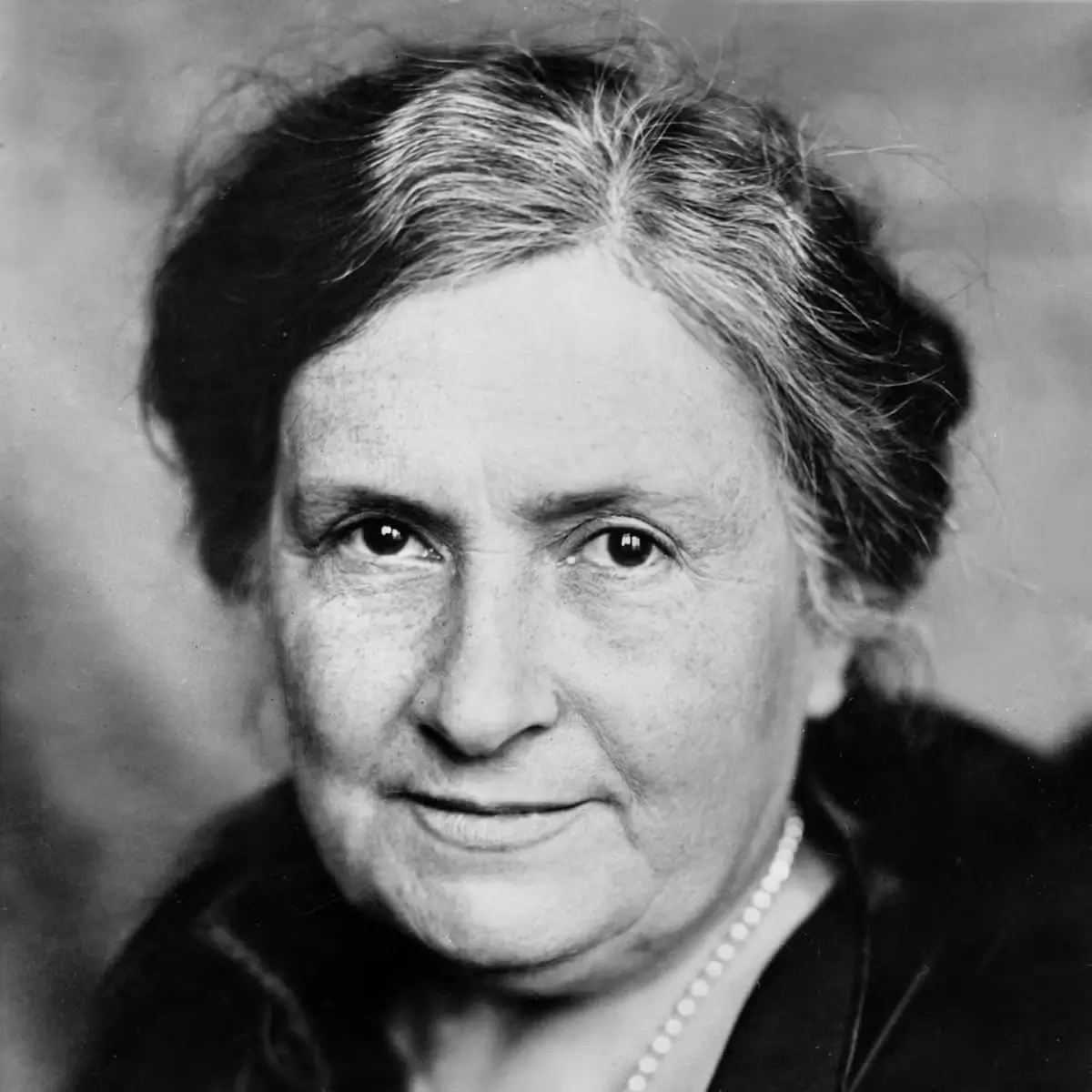
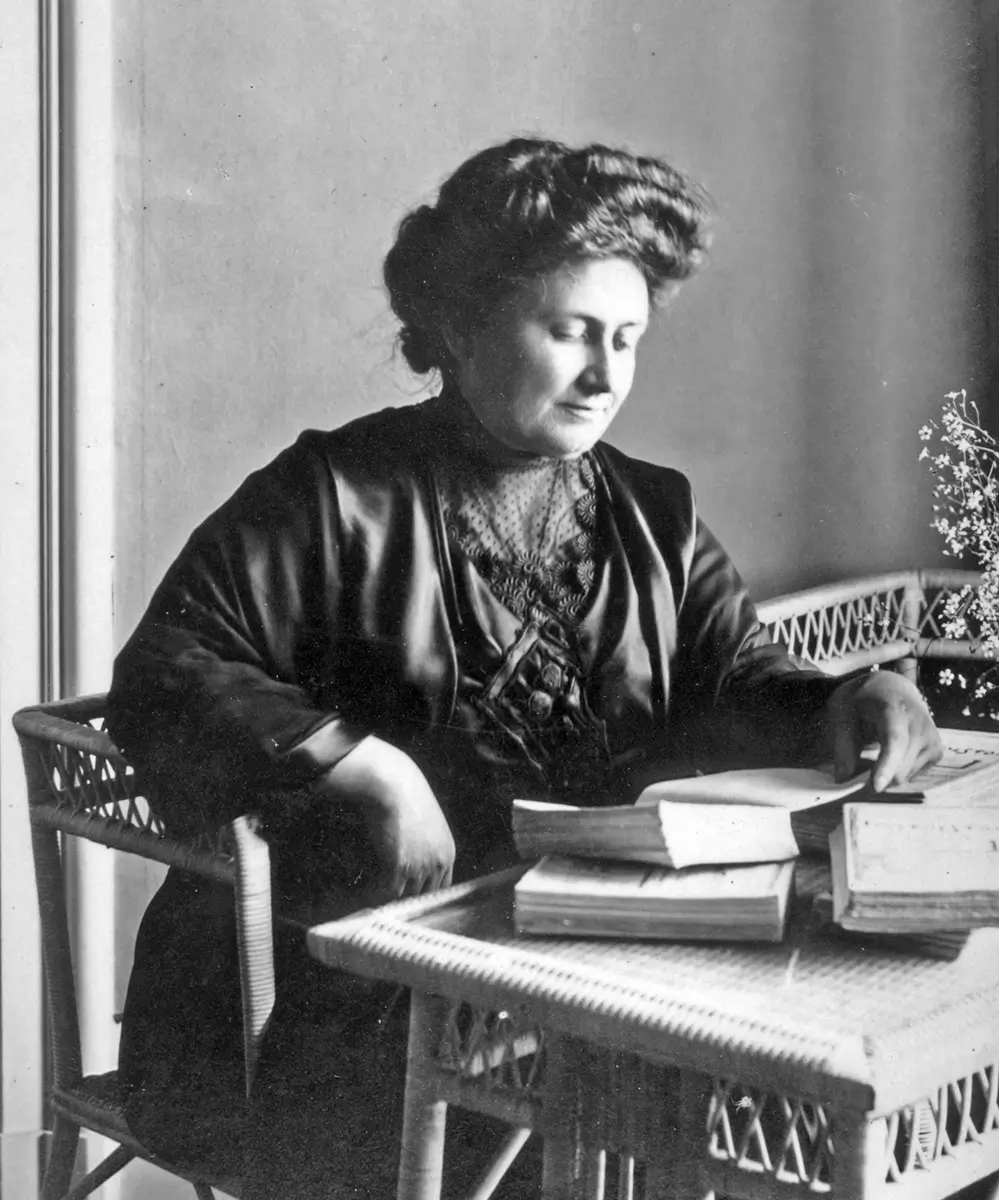
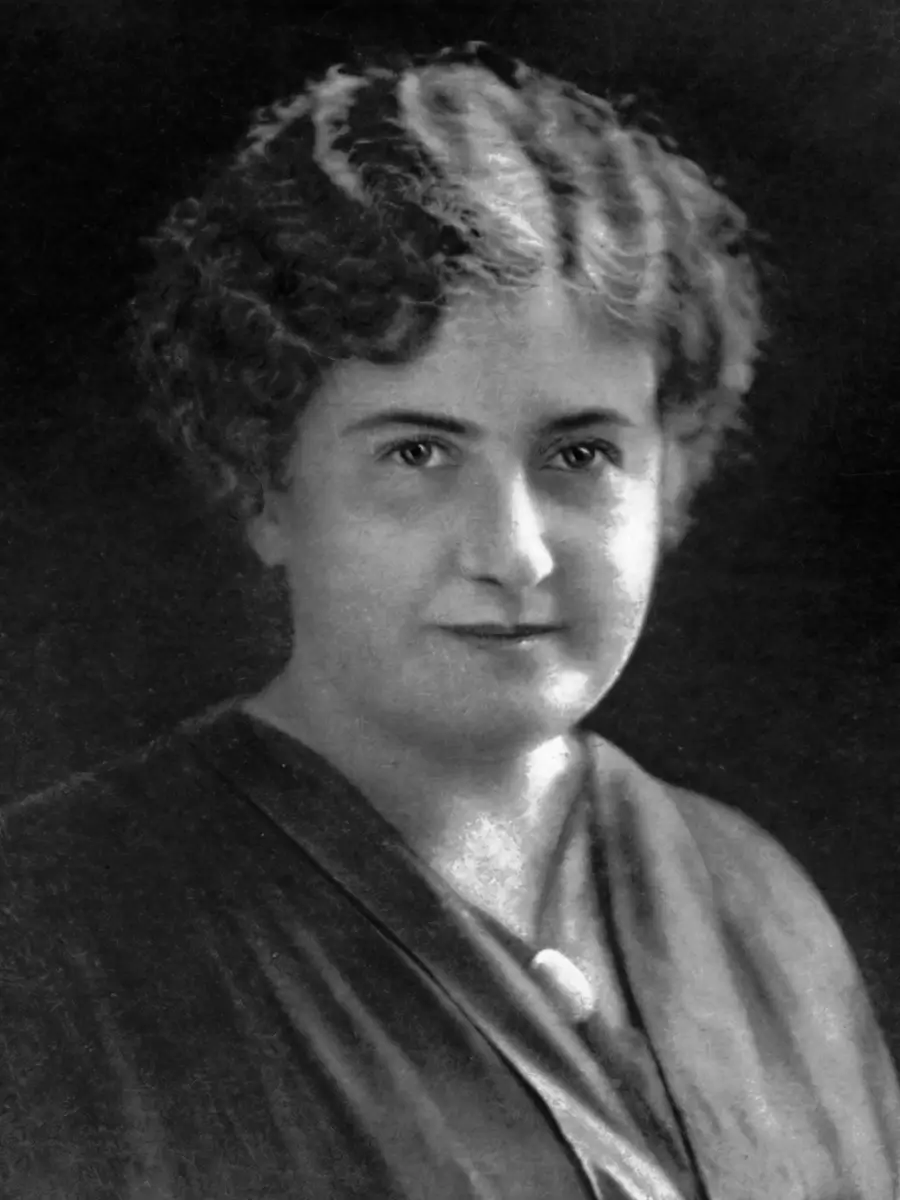
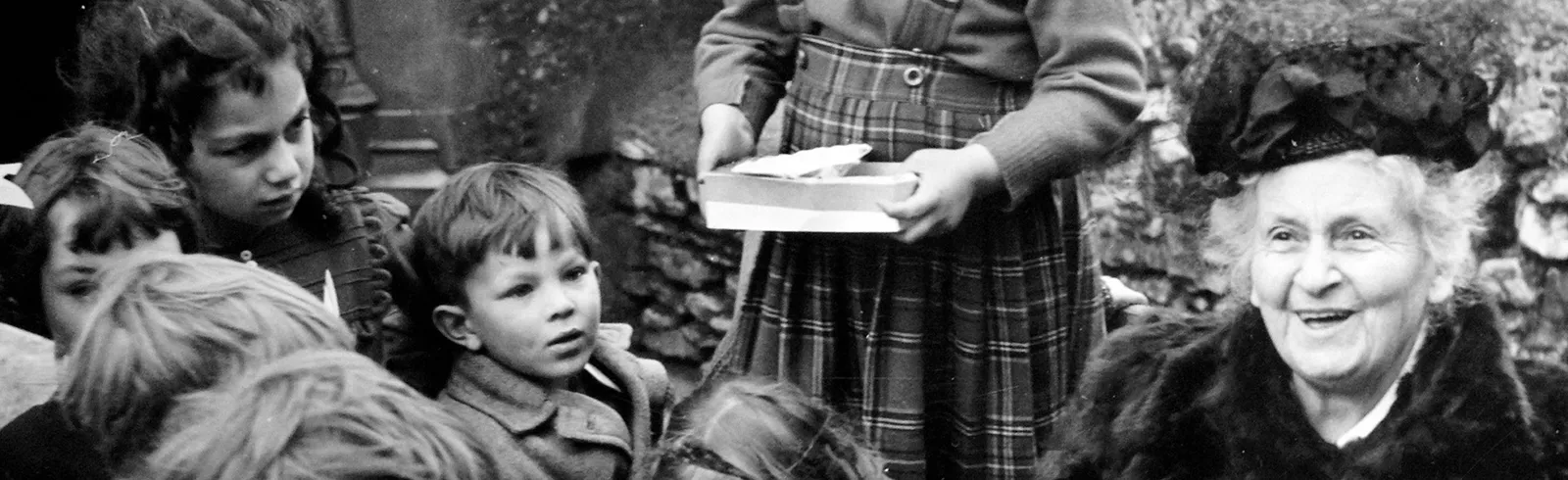
Maria Montessori (1870–1952) was not simply an educator. She was a physician, scientist, and social reformer whose work emerged from systematic observation and research long before the language of neuroscience existed.
In 1896, Montessori became one of the first women in Italy to earn a medical degree — a remarkable achievement in a society that openly opposed women in the sciences. She faced hostility, exclusion, and institutional resistance, yet persisted in her studies of psychiatry, anthropology, and child development. Her early work with children labeled “deficient” revealed something radical: when given structured materials and respect for their developmental stage, children previously marginalized by traditional schooling demonstrated remarkable intellectual growth.
Montessori did not begin with a philosophy. She began with observation.
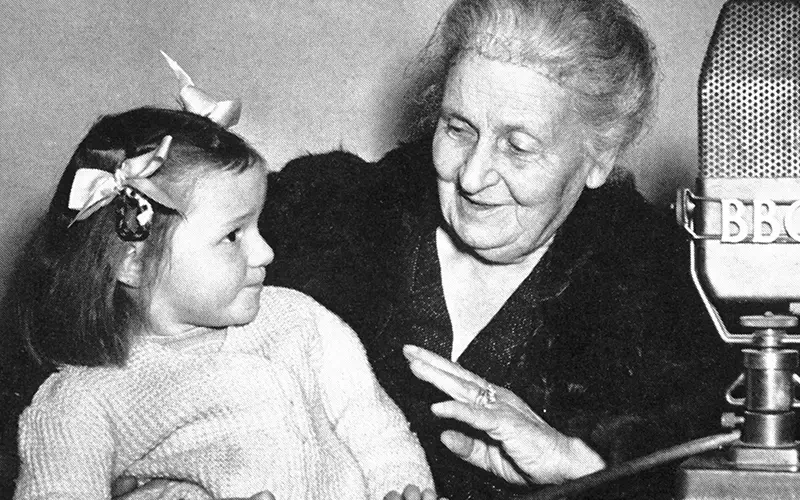
A Scientific Approach to Human Development
Montessori’s classrooms were laboratories of human development. She carefully observed how children moved, concentrated, repeated work, and constructed knowledge through interaction with their environment. She identified sensitive periods for learning, the importance of movement for cognition, and the deep relationship between autonomy and self-regulation — concepts that contemporary neuroscience now helps explain.
Today, research in executive function, neuroplasticity, and self-directed learning echoes many of Montessori’s early findings. Her insight that cognition is built through purposeful activity and environmental design continues to influence modern educational research.
Education as Social Reform
Montessori’s work unfolded against the backdrop of world wars, political upheaval, and exile. She believed education was the foundation for peaceful societies. During times of war and displacement, she expanded her focus beyond academic instruction to global citizenship, cultural integration, and the moral development of the child.
Her vision extended far beyond the classroom. She saw education as a means to reform society itself — nurturing individuals who were intellectually capable, socially responsible, and oriented toward peace.
Why Montessori Is Difficult to Define
It is difficult to reduce Montessori education to a single method because it is grounded in an integrated understanding of human development. Her work encompasses:
- Cognitive development and executive function
- Movement and embodied learning
- Cultural literacy and global awareness
- Independence within structure
- Social responsibility and peaceful community building
Montessori education is not a trend or a set of materials. It is a developmental framework informed by observation, research, and respect for the child.
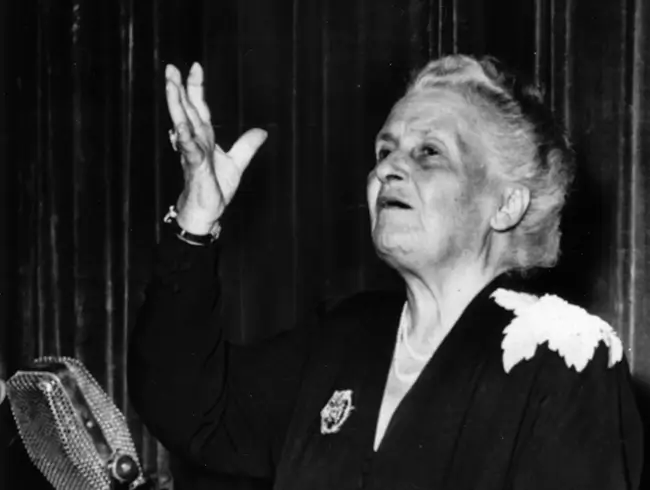
Montessori and Contemporary Research
Modern studies increasingly demonstrate that Montessori students are well prepared for later life — academically, socially, and emotionally. Emerging research in neurodivergent learning and ecological development further supports what Montessori observed intuitively: children thrive when environments are thoughtfully prepared to meet individual needs.
Research has shown that Montessori children are well prepared for later life academically, socially, and emotionally. They score well on standardized tests (Takacs, 1991; Duax, 1989) and they are ranked above average on criteria such as following directions, turning in work on time, listening attentively, using basic skills, showing responsibility, asking provocative questions, showing enthusiasm for learning, and adapting to new situations (Duax, 1989). Also, studies such as those completed by Takacs, Karnes, and Duax, show that Montessori education at both the preschool and elementary levels benefits low-SES children by giving them higher competence in basic skills, a better attitude toward school, and a greater chance of staying in school than their non-Montessori peers.
At Laniakea Montessori School, we view Montessori not as a static tradition but as a living body of work — one that continues to dialogue with current research in executive function, neuroscience, and inclusive education.
Maria Montessori’s legacy invites us not to replicate her work blindly, but to continue observing, refining, and responding to the developing child with humility and scientific curiosity.
Dr. Montessori’s books:
The Absorbent Mind
The Discovery of the Child
Education for a New World
To Educate the Human Potential
The Formation of Man
What You Should Know About Your Child
The Child, Society, and the World
The Child in the Family
Spontaneous Activity in Education
Education for Human Development
Education and Peace