
What Is Executive Function—and Why Does It Matter?
Executive function refers to a set of cognitive skills that help children plan, focus attention, manage emotions, remember instructions, and adapt to changing situations. These skills allow children to engage meaningfully with learning, relationships, and everyday responsibilities.
Executive function is not a measure of intelligence or motivation. It reflects how the brain organizes, regulates, and applies thinking in real time. These skills begin developing early in life and continue to mature throughout childhood and adolescence.
When executive function is well supported, children are better able to:
- Navigate challenges with confidence
- Persist through complex tasks
- Regulate emotions and behavior
- Develop independence and self-awareness
Because executive function develops rapidly in early childhood, early awareness and intentional support matter.
Why Executive Function Is Important in Early Development
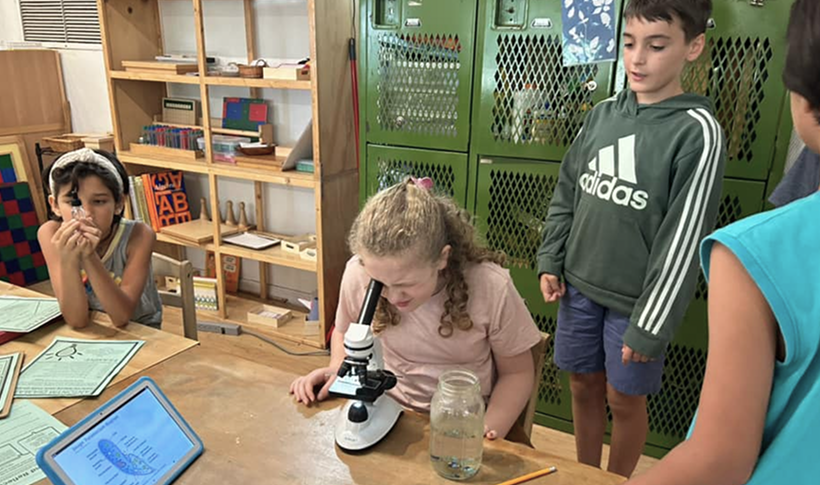
Executive function skills form the foundation for learning and well-being across all stages of development. They influence how children approach schoolwork, manage social interactions, and respond to stress or frustration.
Research shows that executive function is closely connected to:
- Academic engagement and problem-solving
- Emotional regulation and resilience
- Social relationships and collaboration
- Long-term independence and self-direction
Supporting executive function early allows children to build skills gradually before challenges become patterns that interfere with learning or confidence.
What Executive Function Challenges Can Look Like
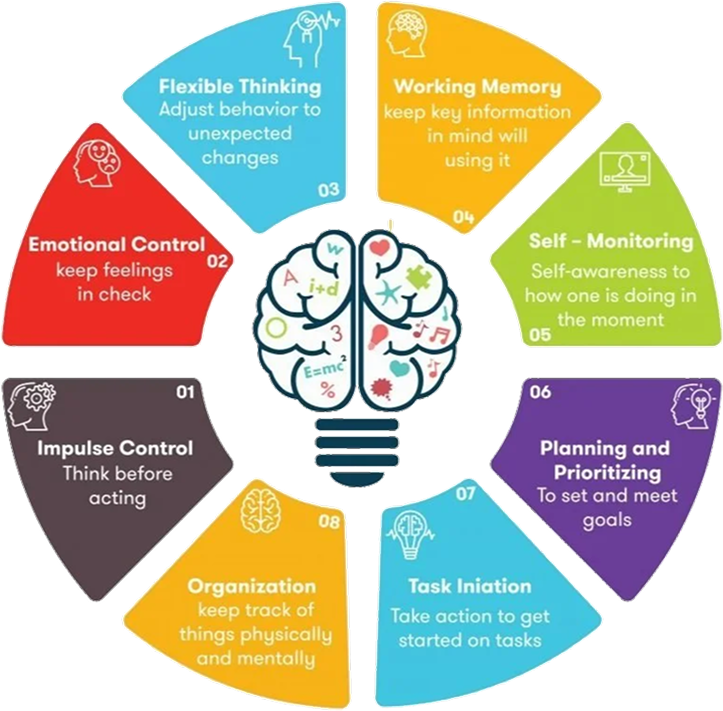
Executive function differences often appear as everyday struggles rather than academic concerns. These behaviors are commonly misunderstood as issues of effort, behavior, or motivation.
Families may notice:
- Difficulty starting tasks or completing multi-step directions
- Challenges with transitions or unexpected changes
- Strong emotional reactions or difficulty calming after frustration
- Forgetting instructions, materials, or routines
- Inconsistent focus that varies by environment or interest
These experiences reflect skills that are still developing, not character or capability. With the right environment and support, executive function skills can grow over time.
How the Montessori Environment Supports Executive Function
Montessori environments are intentionally designed to support the development of executive function through daily experience. Rather than teaching these skills in isolation, children practice them naturally through meaningful work and choice.
Executive function is practiced continuously through movement, materials, relationships, and responsibility.
Key Elements Include:
Uninterrupted Work Cycles
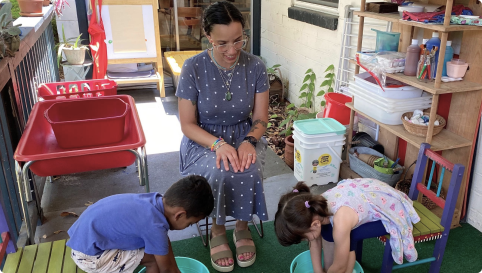
Uninterrupted work cycles build sustained attention and cognitive stamina. For some learners, including those with ADHD or emerging executive function skills, these work cycles may be thoughtfully scaffolded through flexible timing, movement, visual supports, or adult guidance to support engagement and success.
Clear Routines
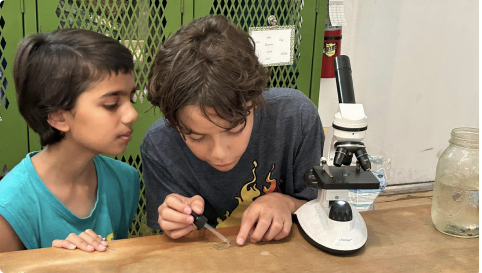
Clear routines support memory, organization, and predictability.
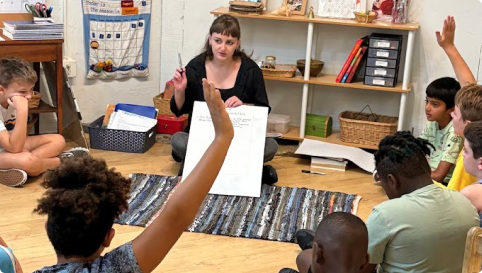
Self-Directed Learning
Choice within structure strengthens decision-making and self-direction.

Self-Reflection
Reflection and responsibility encourage self-monitoring and self-awareness.
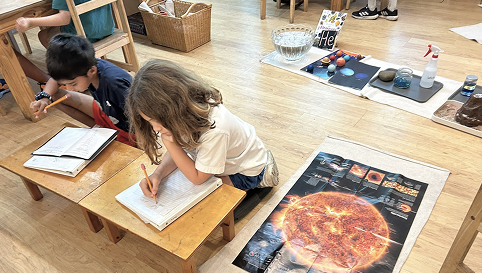
Mixed-Age Classrooms
Mixed-age communities promote social awareness, flexibility, and peer learning.
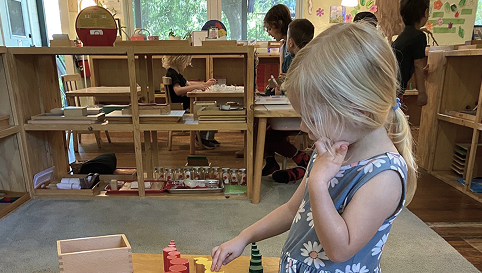
Natural Consequences
Logical and natural consequences help children understand the connection between choices and outcomes in a respectful, developmentally appropriate way.
"We shall walk together on this path of life, for all things are a part of the universe and are connected with each other to form one whole unity."Dr. Maria Montessori "To Educate the Human Potential"
Why Families Choose Laniakea Montessori School
Families choose Laniakea because executive function is not an add-on—it is embedded into how we observe, guide, and support children every day.
This integrated approach allows children to build confidence, independence, and self-regulation in an environment designed to support the whole child.
We combine:

Montessori Principles
Research-Informed Practice
Skilled Observation And Reflection
