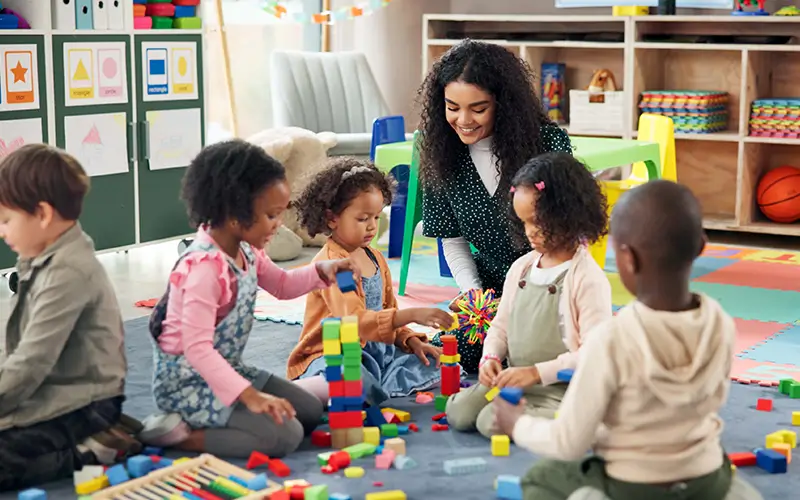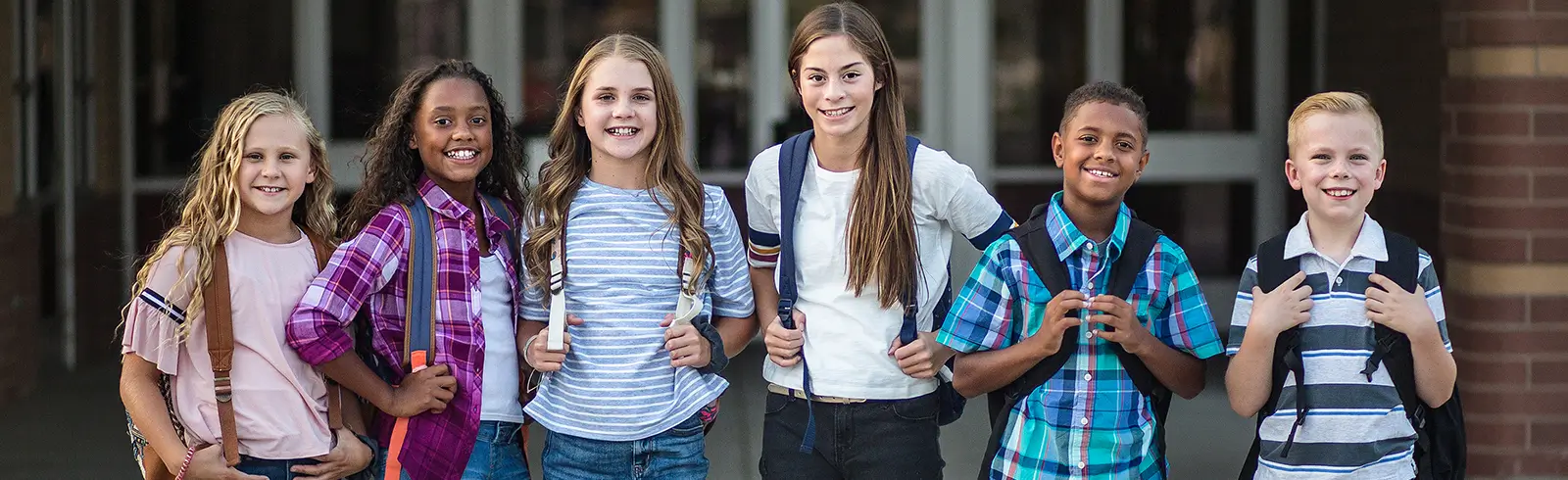
A Time of Curiosity and Imagination
In Lower Elementary, children enter a period of expansive curiosity. They begin to ask deeper questions about the world and are eager to understand how things work and why. This stage uses rich storytelling, hands-on exploration, and meaningful academic work to capture the student’s imagination while building strong foundational skills.
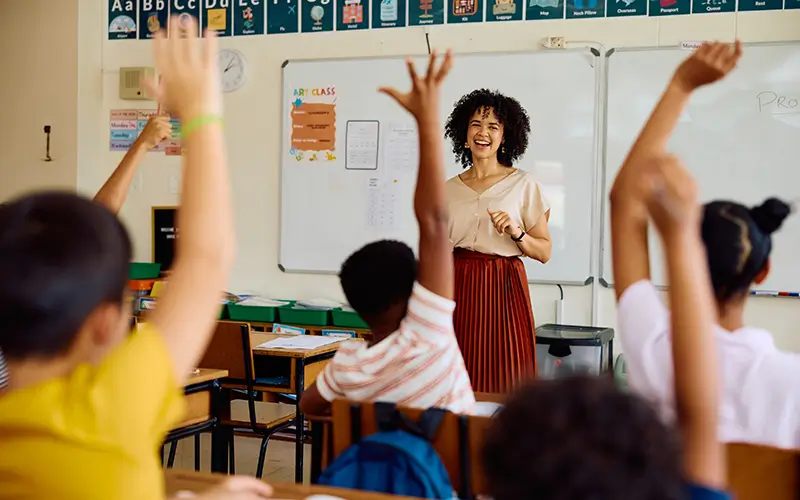
Concrete Learning to Build Understanding
Students are introduced to core academic concepts through materials that make learning visible and tangible. In mathematics, language, science, and cultural studies, children work with materials that allow them to see patterns, relationships, and structure before moving into more abstract thinking.
This approach builds a lifelong understanding—not just memorization.

Developing Independence and Work Habits
Children begin to take increasing responsibility for their work. Within a carefully prepared environment, students learn to:
- choose meaningful work
- sustain attention
- complete tasks with care
- manage time and expectations
Teachers provide clear structure and guidance while allowing space for independence to grow.
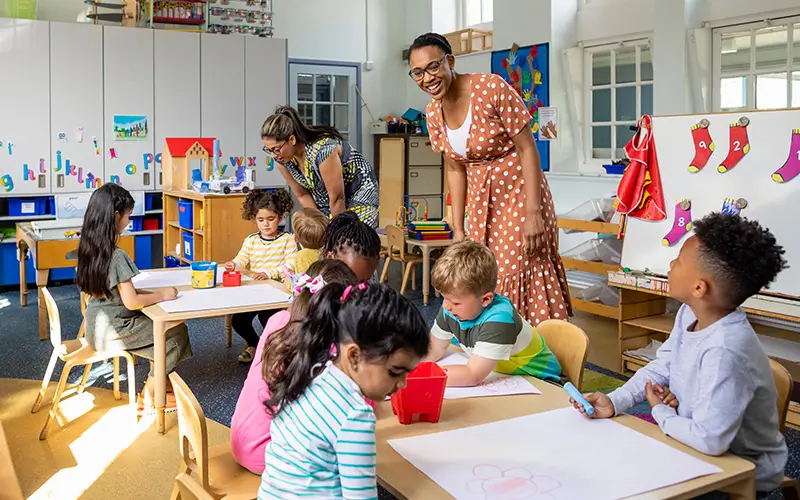
Learning In Community
The Lower Elementary classroom is a collaborative environment where children learn alongside and from one another.
Students practice:
- working together
- sharing ideas
- resolving conflict respectfully
- supporting peers
This social learning is essential at this stage, as children develop both confidence and a sense of belonging.

First Steps Toward Research and Exploration
Students begin engaging in early research and project work, learning how to:
- ask questions
- gather information
- share their understanding
These experiences lay the groundwork for the more advanced, self-directed work of Upper Elementary.