
A Shift Toward Abstract Thinking
As children move into Upper Elementary, their thinking becomes more analytical and reflective. They begin to move beyond concrete materials and engage more deeply with abstract concepts, making connections across disciplines and ideas.
Students are encouraged to question, analyze, and think critically as they develop a more sophisticated understanding of the world.

Deepening Academic Inquiry
Academic work becomes more expansive and self-directed. Students engage in:
- in-depth research projects
- extended writing across subjects
- mathematical reasoning and problem-solving
- scientific investigation and analysis
Learning is no longer just about acquiring knowledge, rather it becomes a process of inquiry, synthesis, and communication.
Ownership and Responsibility
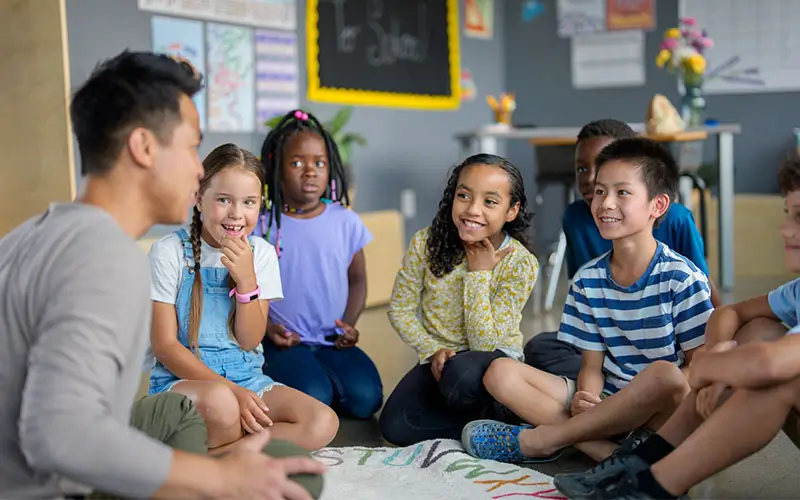
Upper Elementary students take increasing ownership of their learning. They are expected to manage their time, follow through on commitments, and engage in work with purpose and care.
Teachers continue to guide and support, while gradually releasing responsibility to the student. This balance prepares students for the expectations of adolescence and beyond.
Leadership and Community Contribution
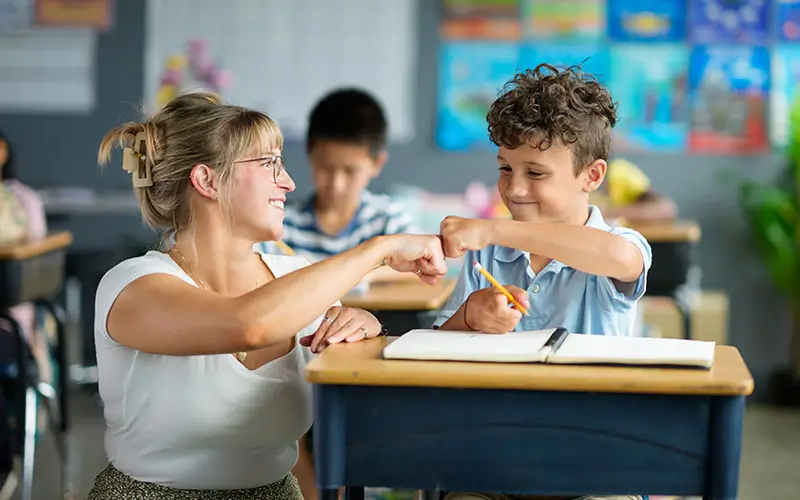
Older students naturally step into leadership roles within the classroom.
They:
- mentor younger peers
- model expectations and work habits
- support the functioning of the classroom community
Leadership is not assigned. It develops through experience, responsibility, and trust.

Expanding Into the Wider World
Students begin to look beyond the classroom and consider their place in a larger society. Through research, discussion, and real-world connections, they explore:
- deeper studies into human systems and civilizations
- environmental responsibility
- ethical questions and social structures
This work supports the development of both intellectual depth and social awareness.
Preparing for Adolescence
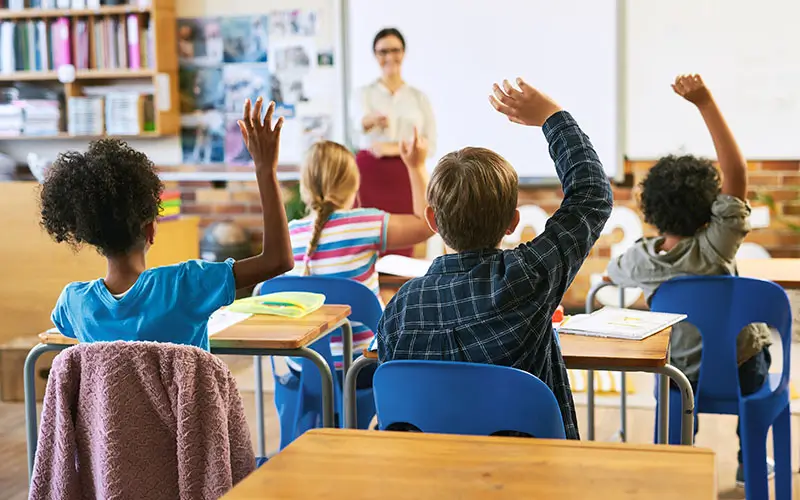
Upper Elementary serves as a bridge into the next stage of development.
Students leave this level with:
- strong academic foundations
- the ability to think independently
- experience managing their own work
- a developing sense of identity and purpose
They are prepared not only for the next level of education, but for meaningful participation in the world.